

The Wise Owl Lifestyle "Recycling Challenge"

Do you recycle? Regardless of your answer, this challenge is for everyone—those who already recycle and those who have never recycled before.
First, we invite the residents of Gqeberha to help Ethan, the Recycling Kid, and Kabega Primary School in collecting glass for recycling.
Next, we offer guidance and suggestions for first-time recyclers on how to get started.
Finally, we explore the next steps for those who are already recycling and discuss what more they can do. While one individual cannot save the environment through recycling alone, collective efforts can lead to significant achievements.

Why is Recycling Important?
Recycling is critical for ensuring a sustainable future for our planet. It dramatically cuts down on the accumulation of waste in landfills, where decomposition takes ages, and reduces emissions from waste incinerators that produce toxic fumes! By recycling materials, we effectively decrease the demand for new raw materials, conserving natural resources and minimising energy consumption.
Millions of tons of waste are produced globally each year, much of which is recyclable.
Failing to recycle exacerbates waste management problems and overlooks opportunities to reduce our carbon footprint. Recycling generally uses less energy than creating new products; for example, recycling aluminium saves up to 95% of the energy compared to producing new aluminium from bauxite ore.
The Recycling Kid - Kabega Primary School - Glass Recycling Challenge
Ethan Fourie, known as The Recycling Kid, is a Grade 4 pupil at Kabega Primary School and is seeking your glass items for recycling. Collect all soft drink, juice, and water glass bottles; beer bottles; alcohol beverage bottles; wine and liquor bottles; food and condiment glass containers; and clear drinking glasses or glass jars. Ensure they are rinsed out and cleaned. Remove labels where possible. These glass items can be dropped off next to the recycling domes at the back of the school (Gate 6), in Brabant Street, Kabega Park. All contributions will be much appreciated.
A green plastic dome used to collect glass for recycling Glass items suitable for recycling list glass jars Kabega Primary School glass recycling dome Glass bottles The Recycling Kid depositing glass bottles into the glass recycling dome
Collect glass bottles and jars for Kabega Primary School
The recycling challenge for first-time recyclers
Attention Earthlings! We must take decisive action to protect our planet before it becomes uninhabitable. With global temperatures climbing, pollution spreading, and deforestation accelerating, it's evident that Mother Nature is in distress. This situation is impacting the environment, our health, our water and food supply. Let's unite in our resolve to fix this mess before we find ourselves in a dire situation.
Make Today the beginning of your recycling journey!
Embrace the opportunity and let's make a difference together!
Steps to Follow When Recycling for the First Time:
If you're new to recycling, it's important to understand the process. Here are steps to recycle effectively and responsibly.
1. Understand What Can Be Recycled
Before you begin your recycling journey, familiarise yourself with the materials that are typically accepted in your local recycling program. Common recyclables include:
Paper Products: This includes newspapers, magazines, office paper, and cardboard. However, items like greasy pizza boxes or paper towels may not be recycled.
Plastics: Look for the recycling symbol on the bottom of plastic containers. Most recycling programs accept plastics labelled with numbers 1 (PETE) and 2 (HDPE). Other numbers like 4 and 7 are accepted in some recycling centres, but not all. A simple call to them should clarify that.
Metals: Aluminium cans, such as those used for beverages, and tin cans from food products are generally recyclable.
Glass: Clear, green, and brown glass bottles and jars can usually be recycled, but check if your local facility has specific guidelines as to whether they accept all glass or only some variants. Remember, glass from window panes and mirrors is not suitable for recycling most of the time.

2. Check Local Recycling Guidelines
Recycling regulations can differ greatly between municipalities, recycling businesses, and drop-off locations. It's important to check your local waste management websites, visit www.wiseowllifestyle.com if you live in Nelson Mandela Bay, or reach out to your local waste management operator or nearby drop-off location for detailed information on:
Recycling schedules for paid services: Find out when your recycling is collected and how much they charge.
Drop-off locations: Locate nearby recycling centres.
Sorting requirements: Most unpaid services require you to separate recyclables by material type, while paid-for recyclers may have single-stream recycling.
3. Prepare Your Recyclables
Once you know what can be recycled, the next step is to prepare your materials properly. Here’s how to do it:
Clean and Rinse: Rinse out containers to remove food residue and liquids. This helps prevent contamination, which can render an entire batch of recyclables unusable.
Flatten Boxes: For cardboard and tetra paks (milk and juice cartons), flatten boxes to save space in your recycling bin and make collection easier.
Sort Materials: If your area requires sorting, categorise your recyclables into different bins or bags according to the material type.

4. Invest in Recycling Bins or Other Collection Containers
Designating specific bins/containers for collecting recycling can greatly simplify the process of collecting recyclables. These bins don’t necessarily need to be plastic or new; any old container will suffice. For example, we use leftover paper bags from grocery deliveries to collect different types of recyclables before taking them to the recycling station. When setting up your collection station, keep the following in mind:
Clearly label each container to indicate what material belongs in it. This will help you and your family remember how to sort items correctly.
Place them in convenient locations, such as the kitchen, garage, or near your main trash bin, to make recycling easy.
By following these steps, you can ensure that your first recycling experience is successful and meaningful, contributing to a healthier planet for future generations. Embracing recycling as a regular habit not only helps reduce waste but also promotes a more sustainable lifestyle.
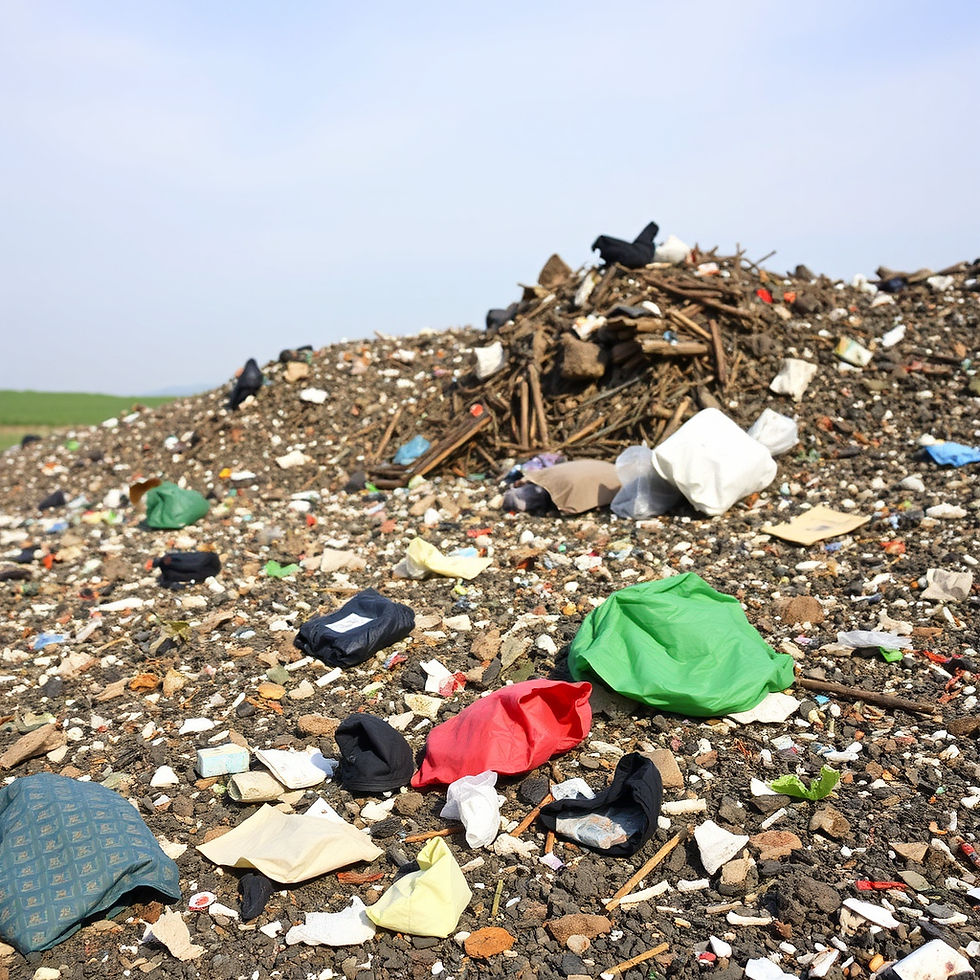
The Challenge For Those Who Are Already Recycling
Seasoned recyclers can step up their recycling efforts by doing the following:
Educate and inspire - Stay updated, share tips, teach your kids, and help neighbours recycle correctly. Education is important for understanding and promoting recycling through workshops and materials.
Advocate for better recycling programs in your Municipalities - Sustainable waste management and recycling are problematic in most municipalities today. Citizens must advocate for these initiatives, as many areas have basic yet inconsistent recycling efforts that often lead to confusion and contamination.
Reduce and reuse- Buy less, choose refillable products and give old items new life.
Reduce your use of single-use plastics.
Participate in community clean-ups - Community involvement in clean-ups and collaboration with businesses strengthens recycling efforts, creating a shared goal of environmental responsibility and a sustainable future.
Promote and support eco-friendly businesses and products, as they combat climate change by reducing pollution, conserving resources, and protecting ecosystems. They enhance biodiversity and soil health through organic farming, promote fair trade, and ensure ethical labour. Avoiding harmful chemicals benefits health. Supporting local eco-friendly businesses boosts economies, creates jobs, and fosters community growth.
Save energy and water - Switch off, conserve, and support clean energy resources.
Support the circular economy - Buy recycled goods, and back local businesses that reuse and repair.
Compost food waste - Turn kitchen scraps into gold for your garden and keep landfills smaller.

Conclusion
In conclusion, taking environmental action is more important now than ever, with recycling playing a significant role in these efforts. Each individual can truly make a difference, and by embracing recycling, we take a substantial step towards ensuring a healthier planet for future generations. Everyone needs to participate and encourage others to join, fostering a global movement for sustainability and environmental care. Keep in mind that while many items are recyclable, not all drop-off locations or recyclers handle every type of material. When beginning to recycle, find out which items are accepted in your area and start recycling those to simplify your efforts while also reducing landfill waste.
Please consider recycling. If you do, I would ask that you WhatsApp me a picture of your recycling efforts. Send them to Dean at 0658796637. I would like to hear about your recycling experience. You are also welcome to post a comment at the bottom of this page. And don't forget to click on the "heart" on the right side of the page.


Comments