

The Power of Repurposing - Giving Items a Second Life

In a sustainability-focused world, repurposing, transforming old items into new, useful ones has gained attention. It reduces waste and encourages creativity and innovation. Let's explore repurposing's power, benefits, and how to give items a second life.
Advantages of Repurposing
Repurposing items positively impacts personal life and the environment by reducing landfill waste and decreasing our carbon footprint. Here are some benefits of repurposing:
Environmental Impact: Reducing waste is crucial for protecting our planet. Recycling and repurposing can significantly decrease the consumption of raw materials and energy.
Cost Savings: Repurposing items at home can save money. Instead of buying new products, utilising what you already have is a cost-effective solution.
Increased Creativity: The process of repurposing invites creativity. It allows individuals to express their artistic side while solving practical problems.

Getting Started with Repurposing
You may be wondering how to begin your journey of repurposing. Here are a few simple steps to kick-start your project:
Assess What You Have: Go through your belongings and identify items you no longer need or use.
Research Ideas: Look for inspiration in books, websites, or social media platforms. Websites like Pinterest are overflowing with creative ideas for repurposing.
Choose a Project: Start small. Choose one or two items, and don't overwhelm yourself with too many tasks at once.
Gather Supplies: You may need tools or materials to help with the transformation. Keep it simple to start.
Get Creative: Use your imagination! Engage in the process and remember that there is no right or wrong way to repurpose.

What are the 5 R's of Recycling?
Understanding the 5 R's of recycling can enhance your approach to repurposing. These principles build on the idea of reducing waste and promoting sustainability. Here are the 5 R's:
Refuse: If you don’t need it, decline to accept it. This prevents excess waste from coming into your life.
Reduce: Purchase only what you need. Less consumption means less waste.
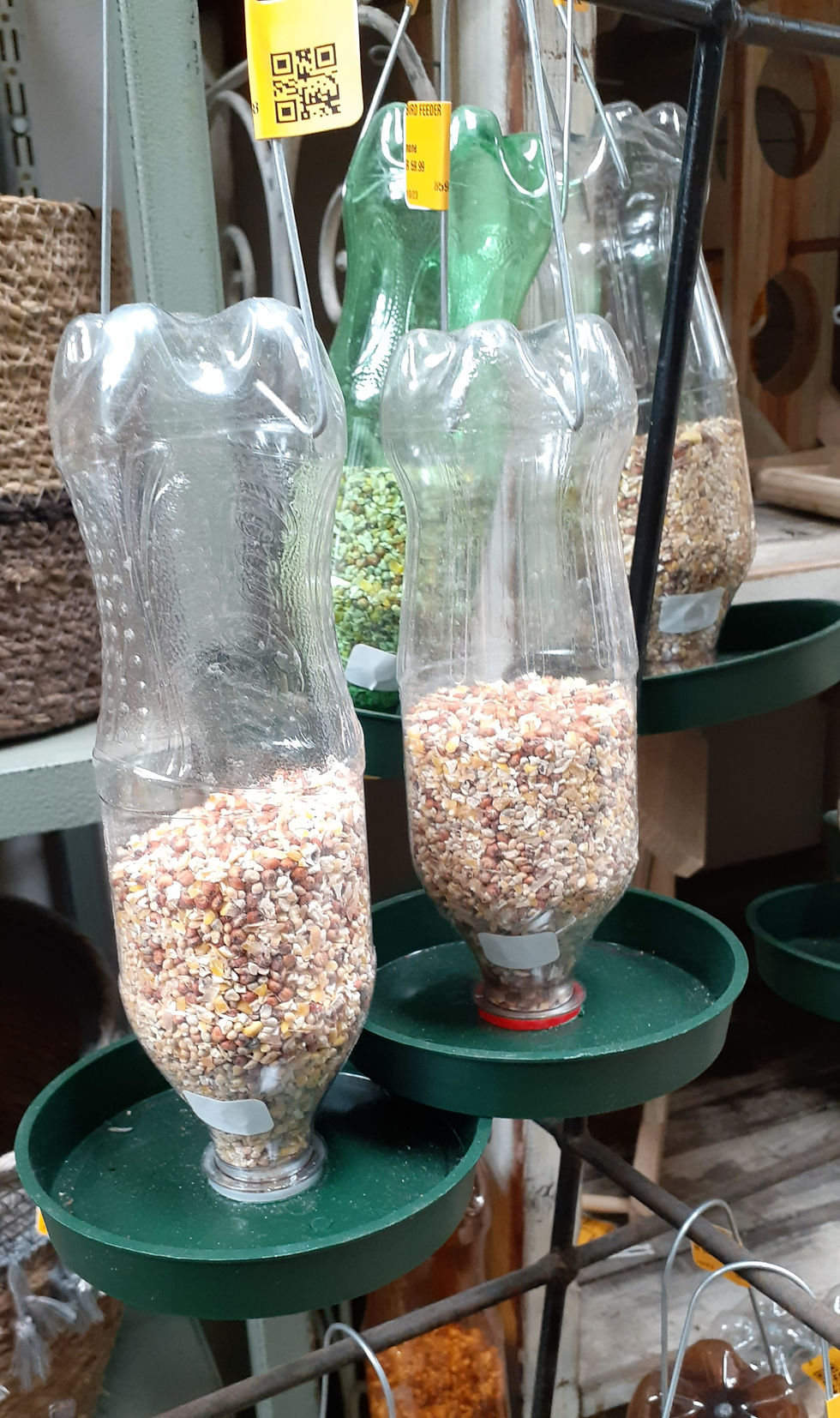
Reuse: Before discarding an item, consider if it could be useful in a different form.
Recycle: By sorting your waste properly, you can ensure that recyclable materials are processed correctly.
Rot: Composting organic materials like food waste returns nutrients to the earth.
Getting the hang of these ideas and putting them into action can really boost your skills in embracing repurposing.

Six Creative Repurposing Ideas
Repurposing everyday items is a powerful way to conserve resources and reconnect with a more thoughtful way of living. By reimagining what we already own, we not only lessen our environmental footprint but also create spaces filled with character and purpose. Here are six creative and accessible repurposing ideas to inspire a more sustainable lifestyle.
Furniture Makeovers
Old furniture often has far more life left in it than we realise. With a bit of sanding, repainting, or reupholstering, worn chairs, tables, or cabinets can be transformed into standout pieces once again. A fresh colour or new fabric can completely change the mood of a room, proving that sustainability and style can comfortably coexist while keeping valuable materials out of landfills.
Glass Jar Organisers
Glass jars are one of the simplest yet most versatile items to repurpose. Once cleaned, they can be used to store office supplies, pantry goods (such as rice, pasta, oats, flour, or spices to maintain freshness and visibility), bathroom essentials, or small household items. They also work beautifully as plant holders or decorative accents, offering a practical solution that reduces single-use packaging while adding a clean, natural aesthetic to your home.
Upcycled Clothing
The fashion industry is a major contributor to global waste, making clothing repurposing especially impactful. Old T-shirts can be turned into reusable shopping bags, while worn jeans can become aprons, cushion covers, or even durable storage baskets. These projects extend the life of textiles and allow you to create unique, functional items with a story behind them.

Garden Repurposing Projects
Outdoor spaces offer endless opportunities for creative reuse. Wooden pallets can be transformed into vertical gardens or raised beds, while old wheelbarrows, tyres, or containers can be repurposed as planters. These projects not only reduce waste but also support biodiversity and encourage a closer connection to nature through sustainable gardening practices.
Creative Home Décor from Scraps
Leftover or broken materials should not be dismissed too quickly. Wood offcuts, fabric, metal fragments, or cracked ceramics can be reimagined as wall or patchwork art, picture frames, candle holders, or mosaic tabletops. Repurposing scraps in this way turns potential waste into meaningful décor, celebrating creativity while reducing the demand for newly manufactured items.
Reinventing Household Items
Many everyday household objects can be reinvented with a little imagination. Old ladders can become bookshelves or towel racks, vintage suitcases can be converted into storage units or pet beds, and tin cans can be turned into lanterns or plant pots. These transformations encourage mindful consumption and remind us that sustainability often begins with seeing familiar objects differently.

Final Thoughts on Repurposing
Repurposing is an exciting and rewarding practice that allows us to reduce waste creatively. By giving old items a second life, we contribute to recycle reduce reuse, benefiting both our wallets and the environment.
Repurposing extends beyond individual efforts, and it has the potential to develop into a movement embraced by the community as a whole.
Start small, gather ideas, and dive into the world of repurposing. The potential is limitless when you open your mind to rethinking and reimagining ordinary objects. Embrace your role as a creative problem solver, and together, we can make a difference in our world!


Comments