

Repurposing Made Simple: Smart Ways to Reuse What You Already Have

The idea that "waste" has no value is becoming outdated. With rising costs and a focus on sustainability, rethinking what we discard is essential. Discover practical methods to turn everyday items into useful resources. My recent blog on growing your own vegetables often appears in my repurposing suggestions. Here are some easy and imaginative methods to repurpose items you would typically discard, contributing to a more eco-friendly and greener lifestyle
1. Glass Jars → Smart Storage Solutions
Instead of tossing empty jars, turn them into durable storage containers. They’re perfect for:
Pantry staples like rice, spices, tea bags, or sugar
Bathroom items like cotton pads
Desk organisation for pens and paper clips
Storing of washers, nuts, bolts, or nails in the garage
With a touch of paint or the addition of labels, they quickly transform into items that are both practical and stylish.
2. Old T-Shirts → Cleaning Cloths or Shoulder Bags
Worn-out clothing doesn’t need to end up in a landfill. Cotton T-shirts are especially useful:
Cut them into soft, reusable cleaning cloths
Convert them into simple shopping bags
This reduces paper towel use and cuts down on plastic bag consumption.

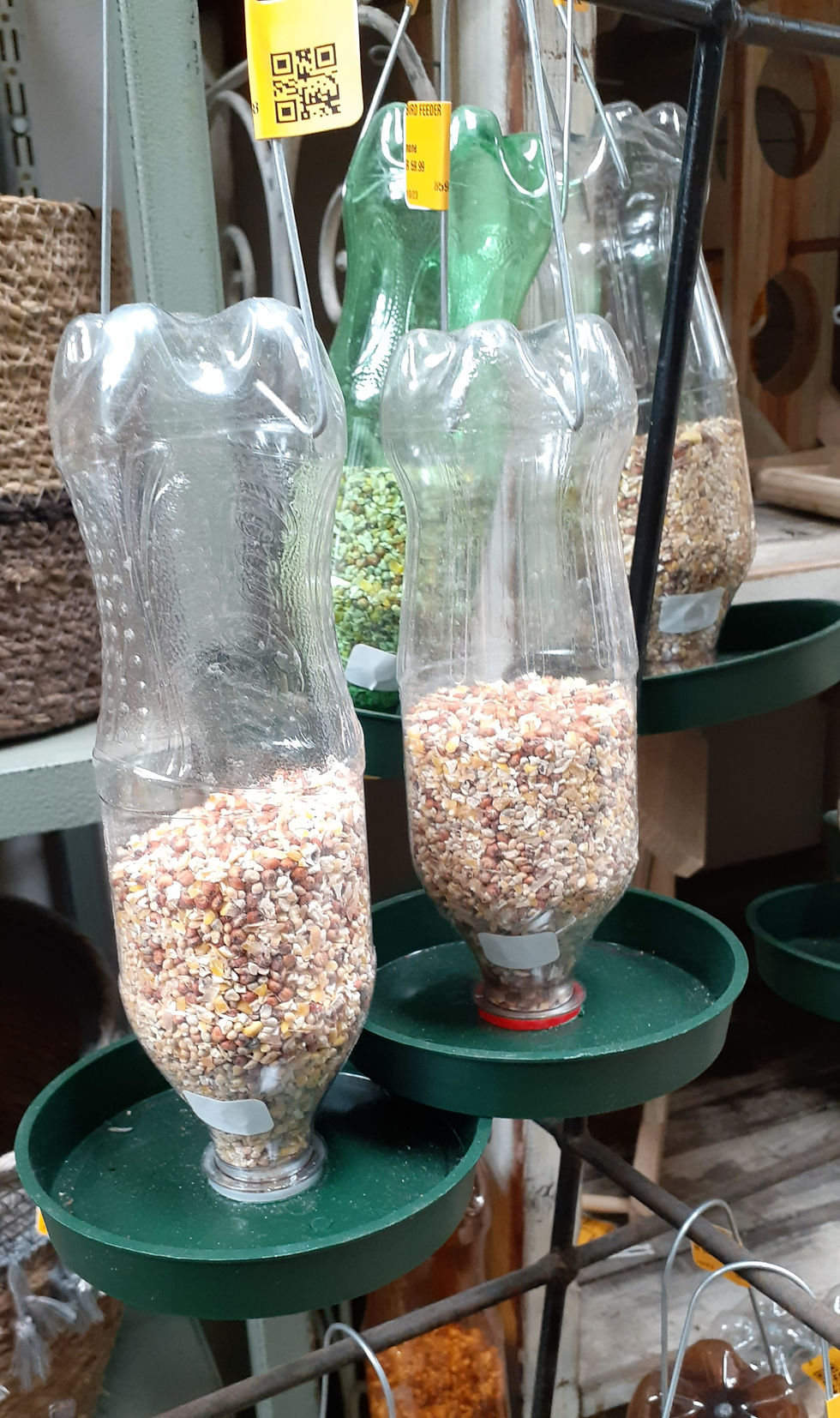
3. Plastic Bottles → Watering Tools or Funnels
Single=use plastic bottles can serve multiple second lives:
Poke holes in the lid for a DIY watering can
Cut the top off to create a funnel
Simple changes like these reduce the need to buy new plastic products.
4. Tin Cans → Planters or Tool Holders
After a quick clean, tin cans become incredibly versatile:
Small herb planters for your kitchen
Holders for tools, brushes, or utensils
A coat of paint can transform them into something surprisingly attractive.

5. Egg Cartons → Seed Starters or Organisers
Egg cartons are often overlooked but highly practical:
Use them to start seedlings before transferring to soil
Store small items like screws, beads, or jewelry
They’re biodegradable and ideal for gardening beginners.
6. Cardboard Boxes → Drawer Dividers
Before recycling cardboard boxes, consider this:
Cut and fold them into drawer dividers
Organise clothing, stationery, or kitchen tools
It’s a zero-cost way to bring order into cluttered spaces.
7. Old Suitcases → Unique Seedling Planters
Don’t throw away that worn-out suitcase,, rather turn it into a charming planter instead. By adding a few drainage holes and filling it with soil, you can grow herbs, flowers, or leafy greens in a compact, portable space. It’s a simple way to add personality to your garden while giving new life to something that would otherwise be discarded. Check out The Recycling Kid's Facebook page for more recycling tips and guidance on growing seedlings in suitcases.


Why Repurposing Matters
Repurposing waste isn’t just about saving money, it’s about shifting mindset. Every item reused is one less item in a landfill and one less product you need to purchase. For households feeling financial pressure, especially in places where food and living costs are rising, these small changes can add up quickly.
Start small. Pick one idea and try it this week. You’ll likely find that once you begin seeing “waste” differently, opportunities to reuse it are everywhere.


Comments